GST NO. : 06AEXPJ5305C1ZL

| Business Type | Trader, Distributor, Importer, Buying House |
| Size | Mix |
| Usage | Metal Industry, Machinery And Automobile Industry, Casting Foundry Raw Materials |
| Material | Brass,red |
| Click to view more | |
Product Details
Surface Finishing
Mill Finish
Material Grade
436SS
Color
Brown
scrap
turning
mix
scrap
Product Code
7404022
Port
india
Payment Terms
T/T
Delivery Time
5 days
Packaging Details
as per buyer
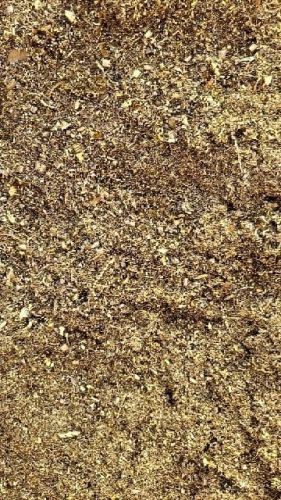
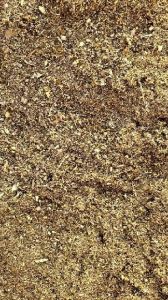
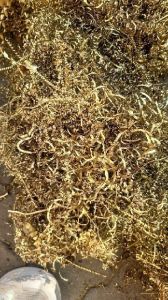
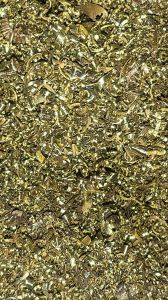
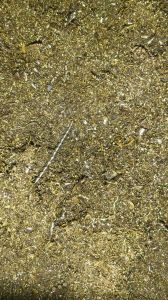
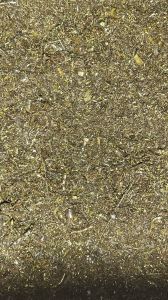
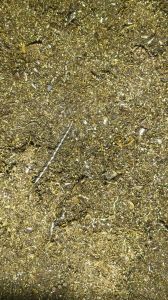
Brass turning scrap is a recyclable metal waste from machining, appearing as small, curly shavings, turnings, or chips, primarily from yellow brass (60-70% copper), valued for recycling into new fittings, fixtures, electrical parts, and musical instruments due to its good conductivity and durability, with purity and lack of contaminants (like iron) greatly affecting its value.
Characteristics
- Form: Curly shavings, grindings.
- Color: Golden (yellow brass), sometimes with reddish tints (red brass).
- Composition: Primarily copper and zinc (e.g., 60/40 or 70/30), possibly with small amounts of tin or lead, depending on the source.
- Purity: High purity is preferred; iron and other contaminants reduce value.
- Properties: Good electrical conductivity, durability, and corrosion resistance.
- Melting Point: Around 900-940°C (1650-1725°F).
Types of Brass Turning Scrap
- Yellow Brass Turnings: Common, widely used in general manufacturing.
- Honey Brass: Often refers to clean, yellow brass turnings, highly sought after.
- Melting: Processed for remanufacturing into new items.
- Applications: Automotive parts, plumbing (fittings, valves), electrical components, musical instruments, decorative items.
Value Factors
- Cleanliness: Free from iron, steel, oil, and other metals significantly increases value.
- Grade: Purity (e.g., 60/40, 70/30) and lack of contaminants (lead-free preferred).
Looking for "Brass Turning Scrap" ?
Kilogram